
Coastal City to Cattle Country
Little Ranch Realty
Serving Florida & Alabama
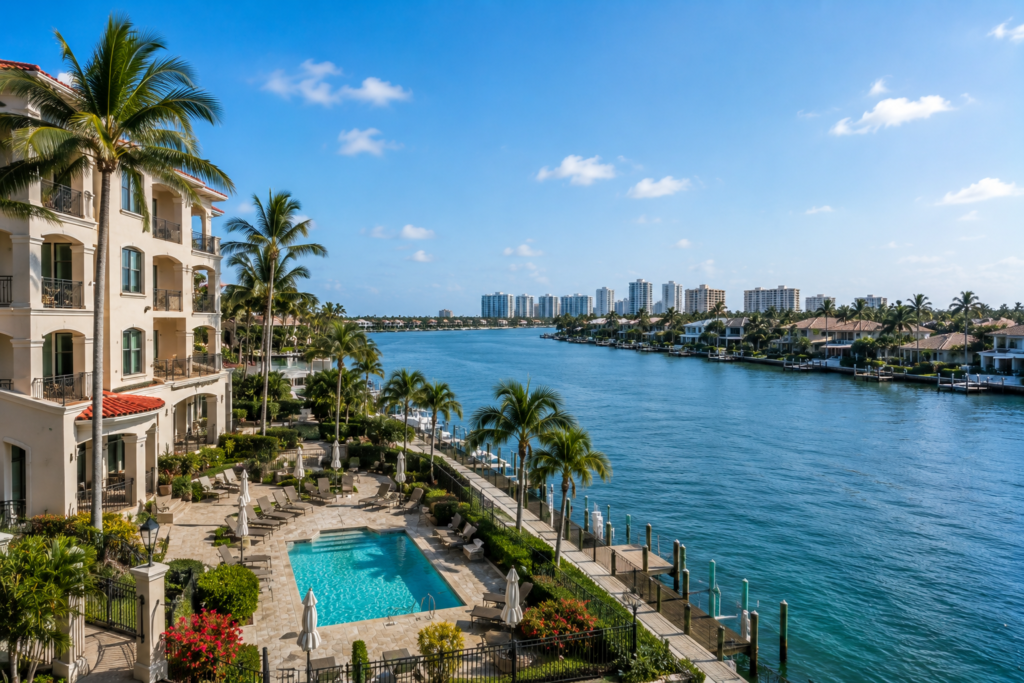
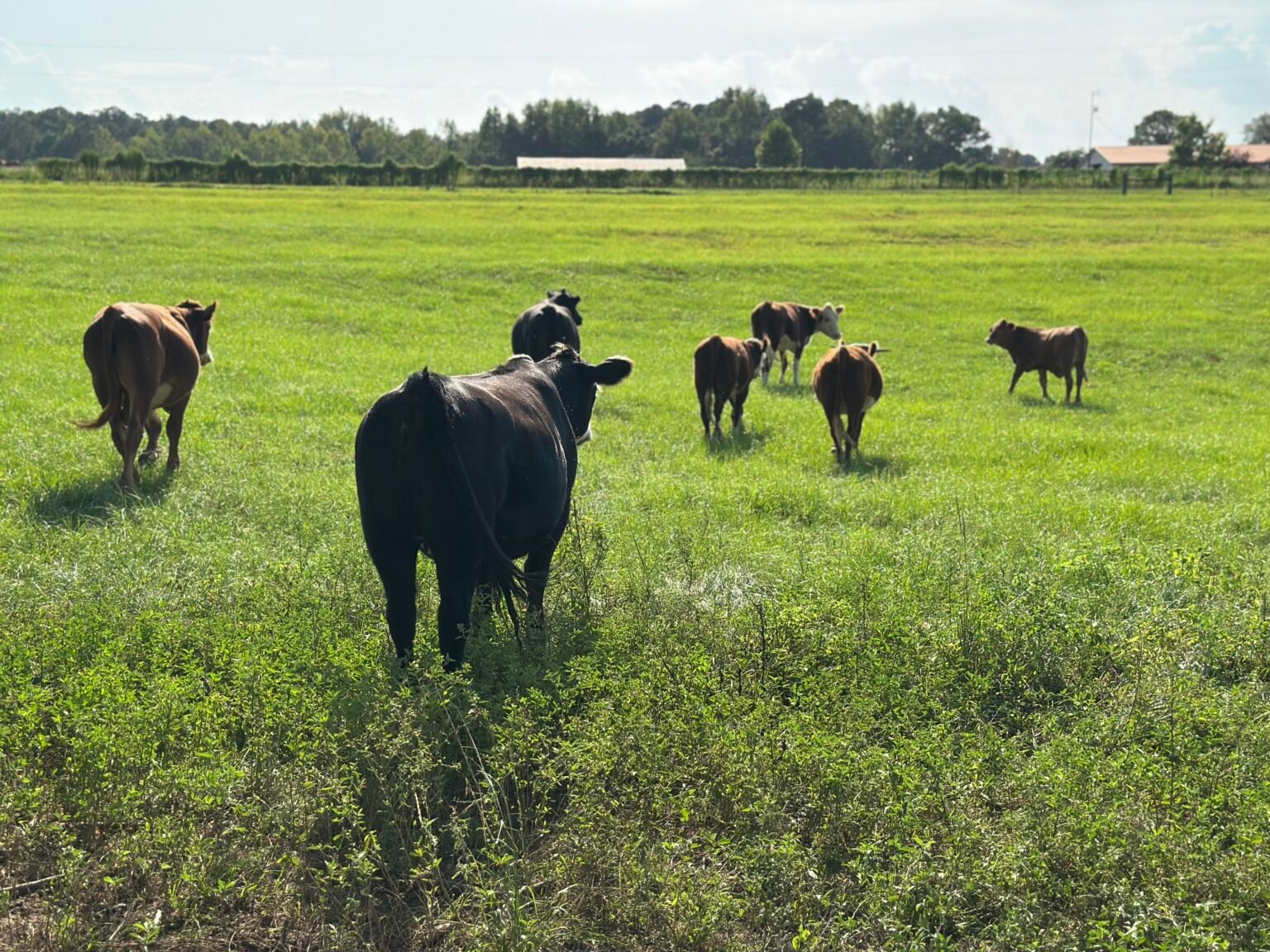
From Pastures to Piers
One Brokerage, Every Landscape.






Get Started
Start Wherever You Are
Before you call
Questions we get
One call or text. We ask what you are after and your timing. No forms.
We run comparable sales and give you an honest number.
Pasture, timber, acreage and working farms, alongside homes and condos.
All of Florida, with Alabama joining fall 2026.
Where we work
Two States, One Brokerage
Choose a state on the map to see what we cover there.
Little Ranch Realty
Looking to Buy or Sell? Let’s talk!
Tell us what you are after and we will help you get there.
It is the default
Florida starts every relationship the same way. Fla. Stat. §475.278(1)(b): “It shall be presumed that all licensees are operating as transaction brokers unless a single agent or no brokerage relationship is established, in writing, with a customer.”
So unless you sign something saying otherwise, this is what you have.
What it means in practice
A transaction broker gives you limited representation. We work with you rather than as your fiduciary. You do not get undivided loyalty — you get a defined list of duties we owe you regardless.
The seven duties we owe you
- Dealing honestly and fairly
- Accounting for all funds
- Using skill, care, and diligence in the transaction
- Disclosing all known facts that materially affect the value of residential real property and are not readily observable to the buyer
- Presenting all offers and counteroffers in a timely manner, unless a party has directed otherwise in writing
- Limited confidentiality, unless waived in writing
- Any additional duties that are mutually agreed to
One agent cannot work both sides
Florida is firm here. The statute says a licensee “may not operate as a disclosed or nondisclosed dual agent.” There is no consent form that changes it.
If two of our agents end up on opposite sides of the same deal, both act as transaction brokers.
If you want more than that
You can ask for a single agent relationship — full fiduciary representation, including loyalty and confidentiality. It has to be established in writing.
Fla. Stat. §475.278. Current as of August 2026.
The name changed in 2025
Alabama used to call this role a transaction broker. Act 2025-380, effective October 1, 2025, renamed it transaction facilitator. The act notes the two terms are synonymous under Alabama law — the job did not change, the paperwork did.
What it means
The statute defines it as a licensee who assists one or more parties in a transaction “without being an agent or fiduciary.” It is help without representation, not advocacy.
The six duties owed to everyone
Ala. Code §34-27-84 sets these out for every party to the transaction:
- To provide brokerage services to all parties honestly and in good faith
- To exercise reasonable skill and care
- To keep confidential information confidential, with stated exceptions
- To account for all property coming into the licensee’s possession
- To present all written offers in a timely and truthful manner
- To disclose any personal interest in the transaction, in writing and in advance
One agent can work both sides — with consent
Alabama permits limited consensual dual agency: one licensee may represent every party, but only with informed written consent from all of them.
Two agents, one firm
Also new in October 2025: one licensee can represent the buyer while another in the same company represents the seller, without dual agency being created. They become two designated single agents, and each side keeps full representation.
Sub-agency is gone
The same act removed sub-agency from Alabama’s statute.
Ala. Code §34-27-80 et seq., as amended by Act 2025-380. Current as of August 2026.
The rule
Florida’s duty comes from a 1985 Florida Supreme Court case, Johnson v. Davis. The holding:
“where the seller of a home knows of facts materially affecting the value of the property which are not readily observable and are not known to the buyer, the seller is under a duty to disclose them to the buyer.”
What that does and does not require
- It covers known defects. Later cases require actual knowledge — a seller is not turned into a guarantor of the condition of the house.
- The defect has to be material, unknown to the buyer, and not readily observable.
- An “as is” clause does not waive it. Florida courts have said so directly.
- The duty is settled for residential property. Whether it reaches commercial property has never been resolved by the Florida Supreme Court.
There is no general disclosure form
Florida does not require a standard property-condition disclosure form for an ordinary resale. The form most sellers sign is an industry form, not a statutory one. What the law enforces is the duty itself.
Some disclosures are required by statute, though — including a flood disclosure, mandatory since October 1, 2024 and expanded October 1, 2025, plus radon, homeowners’ association, condominium and coastal erosion disclosures, and the federal lead-paint disclosure for homes built before 1978.
One thing a seller does not have to disclose
Florida law provides that a death on the property, including a homicide or suicide, is not a material fact that must be disclosed.
Johnson v. Davis, 480 So. 2d 625 (Fla. 1985); Fla. Stat. §§689.302, 689.25. Current as of August 2026.
The rule
Alabama still follows caveat emptor — buyer beware — on the sale of used homes. The Alabama Real Estate Commission states it plainly on its own consumer page:
“neither the seller nor the seller’s agents, unless asked, are required to disclose defects, except those which might pose an immediate health or safety risk to the buyers”
The same page notes there is no warranty that comes with the sale of a used home.
The exceptions, and they matter
- If you ask, they must answer honestly. The commission’s own wording is that sellers and their agents “must not misrepresent conditions they are asked about.” Courts have required the question to be specific — asking whether there is “anything we should know” has been found too vague — and it has to be asked before closing.
- Health and safety. A known defect that threatens health or safety, and that the buyer neither knows about nor can readily observe, has to be disclosed.
- A relationship of trust. Where a confidential or fiduciary relationship exists, a duty to disclose can arise.
- New construction. A builder selling a newly built, never-occupied home carries an implied warranty of habitability. That is a warranty rather than a disclosure duty, and it does not pass to later buyers.
“As is” carries real weight here
Alabama courts have held that an express “as is” clause can defeat a claim even where the buyer asked a direct question, on the reasoning that it undercuts reasonable reliance. If you are used to another state, do not assume Alabama works the same way.
What this means for you
In Alabama the burden sits with the buyer. Ask specific questions, put them in writing, and get a thorough independent inspection. The questions you ask are what turn a seller’s silence into a duty to speak.
Where we stand
Caveat emptor protects sellers. It does not give a licensee licence to stay quiet. Alabama’s licensing statute makes it a violation for a licensee to fail to disclose a latent structural defect, or any other known defect, that would matter to a reasonable buyer. Our agents disclose what they know.
Ala. Code §34-27-36(b)(3); Alabama Real Estate Commission consumer guidance; Cato v. Lowder Realty Co., 630 So. 2d 378 (Ala. 1993); Blaylock v. Cary, 709 So. 2d 1128 (Ala. 1997). Current as of August 2026.
Listing Photos
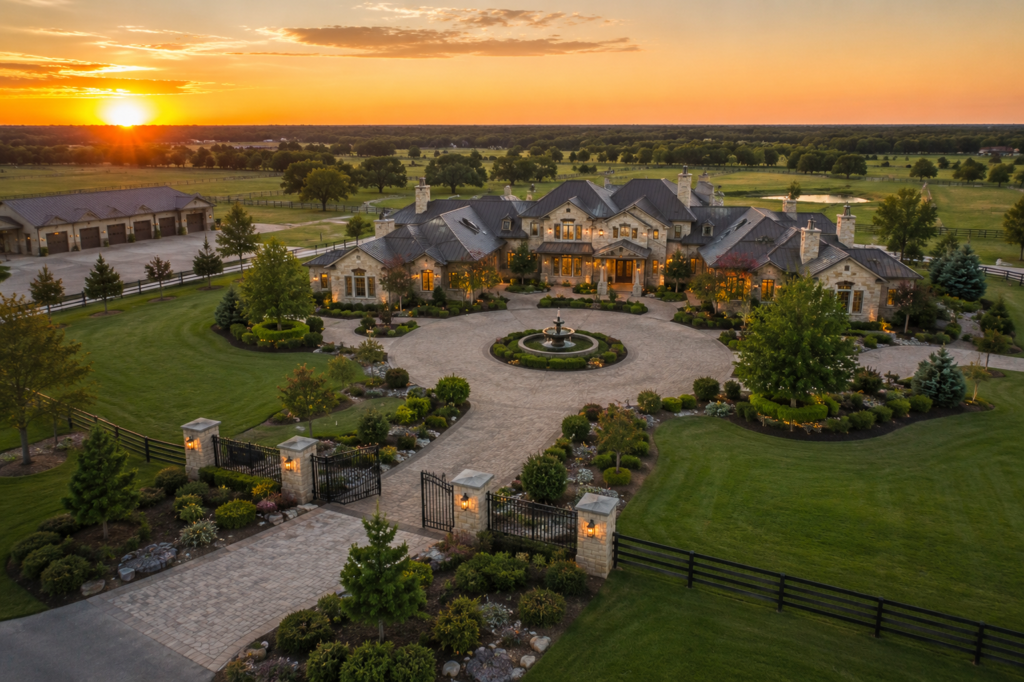
Drone passes, twilight exteriors, an evening walk of the property — the light does half the work. Here is today’s golden hour at the ranch, and wherever you happen to be.
- Morning
- —
- Evening
- —
- Morning
- —
- Evening
- —
Try a ZIP code like 32433, or a town such as “Santa Rosa Beach, FL”.
Times are for today, in that place’s own time zone.
What does an Acre actually look like?
It’s hard to visualize what an acreage actually is. Type in a number and we will draw it to scale against something you already know.
Visualize NowThe Ranch Report
Straight answers on buying and selling in Florida and Alabama — market numbers, land checklists, and the costs nobody puts on the brochure. A new report whenever there is something worth saying.
Go to the Ranch Report →